باب جرار مقابل باب ثنائي الطي للفتحات الكبيرة
كيف تختلف الأبواب المنزلقة والأبواب ثنائية الطي في إحساس الفتح وتصميم العتبة والمناظر وحمل الأجهزة والاستخدام اليومي للفتحات الكبيرة.
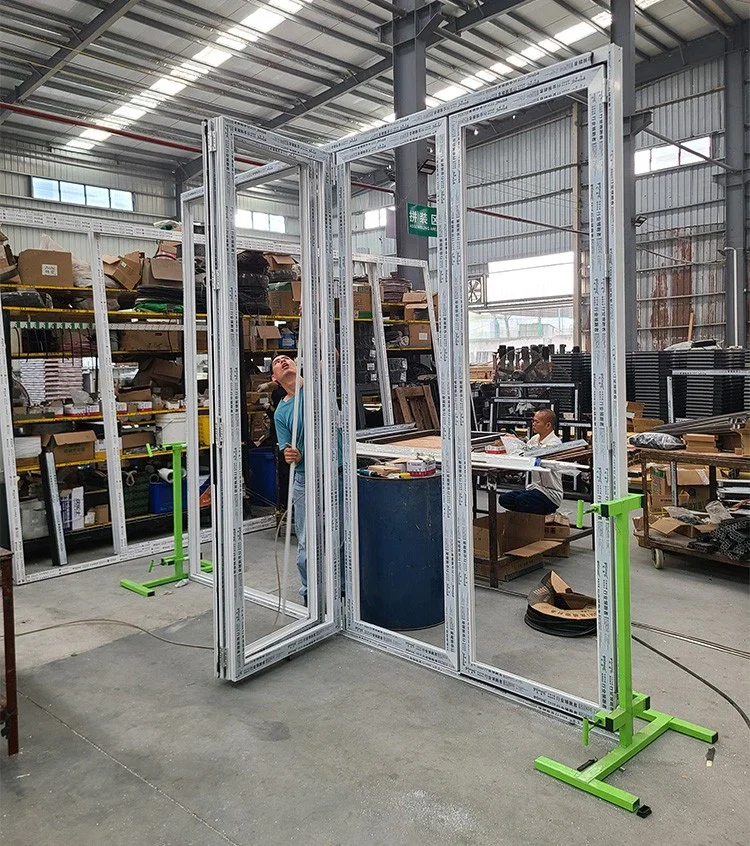
بالنسبة للفتحات الكبيرة، هل يجب على المشترين اختيار الأبواب المنزلقة أو الأبواب ثنائية الطي؟
اختر الأبواب المنزلقة عندما تكون المناظر الواضحة والألواح الزجاجية الأكبر حجمًا وإحكام الإغلاق ضد العوامل الجوية وتجربة المستخدم اليومية الأكثر هدوءًا هي الأكثر أهمية. اختر الأبواب ثنائية الطي عندما يريد المشروع أن يتم تكديس الفتحة بعيدًا وإنشاء اتصال مفتوح بالكامل، مع قبول المزيد من وصلات الألواح والإطارات الأكثر وضوحًا ومنطق مختلف للعتبة والأجهزة.
عادةً ما توفر الأبواب المنزلقة خطوط رؤية أنظف وتشغيلًا يوميًا أكثر هدوءًا.
عادةً ما توفر الأبواب ثنائية الطي إحساسًا أكثر بالانفتاح عندما يتم تكديس الألواح بالكامل.
تعتمد الإجابة الصحيحة على كيفية استخدام الفتحة كل يوم، وليس فقط كيف تبدو في العرض.
مقارنة سريعة
| الموضوع | باب جرار | باب ثني |
|---|---|---|
| الرؤية ومساحة الزجاج | عادة ما يكون أفضل للألواح الزجاجية الكبيرة وخطوط الرؤية الأنظف | يشيع وجود المزيد من وصلات الألواح والخطوط الرأسية المرئية |
| أسلوب الفتح | يفتح جزئيًا مع إبقاء معظم الألواح في نفس المستوى | تتراكم الألواح لإنشاء اتصال مفتوح بالكامل |
| العتبة والتشغيل | غالبًا ما يكون أبسط للانتقالات بين العتبات والاستخدام اليومي المتكرر | يتطلب مزيدًا من العناية حول المسار ومساحة التراص ومحاذاة الأجهزة |
| تعقيد النظام | عادة ما يكون من الأسهل شرحه وتسعيره كنظام ممتاز بفتحة كبيرة | يمكن أن يتحول بشكل جيد، ولكنه يعتمد بشكل أكبر على التخطيط ونمط الاستخدام والتفاصيل |
ابدأ بالاستخدام اليومي، وليس فقط بالدراما البصرية
غالبًا ما تُباع الفتحات الكبيرة بناءً على العاطفة. لكن النظام الصحيح يعتمد على كيفية استخدام الفتحة كل يوم. إذا تم فتح الأبواب بشكل عرضي للتهوية والدوران وحركة المرور المتكررة، فإن هدوء التشغيل ومنطق العتبة مهمان للغاية. إذا كان الهدف هو فتح الواجهة بأكملها للمناسبات أو الضيافة أو الاستخدام الموسمي لنمط الحياة، فإن الأنظمة ثنائية الطي تصبح أكثر جاذبية.
ما يقلل المشترون من شأنه عادةً
غالبًا ما يقارن المشترون عرض الفتحة فقط. من الناحية العملية، يجب عليهم أيضًا مقارنة خطوط الإطار المرئية ومساحة الألواح المكدسة ومعالجة العتبة واستراتيجية الشاشة ومسار الصرف وجهد التنظيف وسهولة صيانة الأجهزة. لا يزال من الممكن أن يكون النظام الدرامي بصريًا هو الخيار الخاطئ إذا تركت هذه التفاصيل غامضة.
- غالبًا ما يكون عرض الفتحة المطلوب الفعلي أكثر أهمية من الحد الأقصى للعرض المعروض في الصور التسويقية.
- لا تبدو الألواح المكدسة عملية إلا عندما لا تقاطع وضع الأثاث أو الدورة الدموية اليومية.
- غالبًا ما يكون سلوك العتبة تحت المطر والتنظيف وحركة المرور المتكررة أكثر أهمية من الدراما البصرية للواجهة المفتوحة بالكامل.
كيفية مقارنة النظامين بشكل صحيح
تستخدم المقارنة الأكثر وضوحًا نفس الفتحة في كلا النظامين وتجعل المقايضات مرئية جنبًا إلى جنب. يؤثر عدد الألواح وعرض خط الرؤية ونوع العتبة وتركيب الزجاج وحزمة الأجهزة وافتراضات الصرف على النتيجة. يتخذ المشترون عادةً قرارًا أفضل عندما تتم مقارنة هذه النقاط مباشرةً بدلاً من الاختيار من بين تسميتين غامضتين.
الاسئلة الشائعة
هل تخلق الأبواب ثنائية الطي دائمًا فتحة أكبر من الأبواب المنزلقة؟
غالبًا ما تخلق شعورًا بفتح أكثر اكتمالاً، ولكن ما إذا كان ذلك مهمًا يعتمد على الدوران والأثاث واستخدام العتبة وعدد مرات فتح الفتحة بالكامل عمليًا.
أي نظام أسهل للاستخدام اليومي؟
غالبًا ما تكون الأبواب المنزلقة أسهل للاستخدام اليومي المتكرر لأن نمط التشغيل أبسط ويمكن استخدام الفتحة جزئيًا دون إدارة الألواح المكدسة.
لماذا يسهل مقارنة نفس الفتحة عبر كلا النظامين؟
عادةً ما يكون استخدام نفس الفتحة في كلا النظامين هو أسرع طريقة لرؤية المقايضات بين خط الرؤية والعتبة والتسعير بوضوح.
معارف ذات صلة
٣ أبريل ٢٠٢٦
استبدال النوافذ بإطار كامل أو بدونه: متى تغير الطريقة النتيجة
شرح عملي لسبب تأثير طريقة الاستبدال على التسرب والتكثيف والمتانة ورضا المشتري بقدر تأثير النافذة الجديدة نفسها.
٣ أبريل ٢٠٢٦
أفضل أنواع الزجاج لمشاريع الفيلات الساحلية الحارة
توازن التحكم في الطاقة الشمسية والخصوصية والرطوبة وخطر التكثف ومظهر الواجهة لحزم الزجاج بالقرب من البحر.