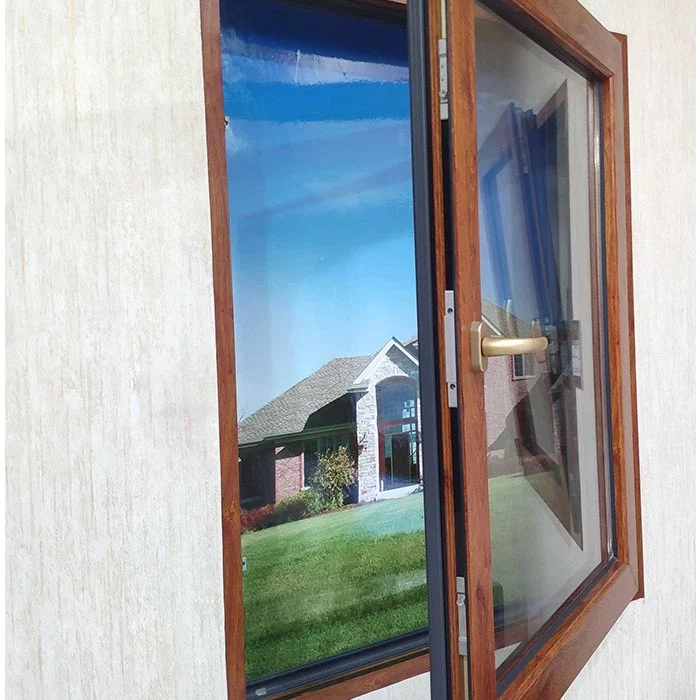
نوافذ ألومنيوم موفرة للطاقة
تم تصميم نوافذ الألمنيوم الموفرة للطاقة خصيصًا لتقليل انتقال الحرارة وتحسين العزل وتقليل استهلاك الطاقة في المباني. تتضمن هذه النوافذ ميزات مختلفة لتحسين أدائها الحراري. فيما يلي بعض الميزات الشائعة لنوافذ الألمنيوم الموفرة للطاقة.
نظرة عامة على المنتج
Energy-efficient aluminum windows are specifically designed to minimize heat transfer, improve insulation, and reduce energy consumption in buildings. These windows incorporate various features to enhance their thermal performance. Here are some common features of energy-efficient aluminum windows: Thermal Breaks: Energy-efficient aluminum windows often include a thermal break, which is a non-conductive material placed between the inner and outer parts of the window frame. This break helps to prevent the transfer of heat or cold between the exterior and interior of the window, reducing heat loss or gain. Low-E Coatings: Low-emissivity (Low-E) coatings are thin, transparent layers applied to the glass of the window. These coatings reduce the amount of heat that can pass through the glass while allowing visible light to enter. They reflect heat back into the room during the winter and reflect solar heat away during the summer, improving the window's insulation. Insulating Gases: Energy-efficient aluminum windows may incorporate insulating gases, such as argon or krypton, between the glass panes. These gases have low thermal conductivity and act as additional barriers against heat transfer, improving the window's insulation properties. Multiple Glazing: Double or triple glazing is common in energy-efficient aluminum windows. These windows consist of two or three glass panes with spaces in between, which are filled with insulating gases. The additional layers of glass and gas-filled spaces further enhance insulation and reduce heat transmission. Weatherstripping: Energy-efficient aluminum windows often feature high-quality weatherstripping to create a tight seal between the window sash and frame. This seal helps to prevent drafts, air leakage, and moisture infiltration, improving the window's energy efficiency. U-Factor and Solar Heat Gain Coefficient (SHGC): Energy-efficient windows are labeled with U-factor and SHGC ratings. The U-factor measures the window's insulation performance, with lower values indicating better insulation. The SHGC measures the window's ability to block solar heat, with lower values indicating better heat resistance. Look for windows with lower U-factor and SHGC ratings for improved energy efficiency. By incorporating these features, energy-efficient aluminum windows can significantly reduce energy loss or gain through windows, leading to improved indoor comfort, reduced heating and cooling costs, and lower environmental impact. They are a popular choice for energy-conscious homeowners and businesses looking to improve energy efficiency and sustainability.
المواصفات
| اسم المنتج | نوافذ ألومنيوم موفرة للطاقة سلسلة 65 |
| قطاعات | قطاع ألومنيوم بفاصل حراري |
| اللون | يمكن تخصيصه |
| نوع الزجاج | زجاج LOW-E، عاكس، مقسّى، مُقوّى بالحرارة، مصقول |
| الأجهزة | محلي (Chung, Weihui)؛ هونج كونج (Kinlong)؛ ألمانيا (Roto, Siegenia) |
| الميزات الأساسية | مقاومة الشيخوخة، مقاومة للماء، عزل الصوت، عزل الحرارة، السلامة |
الميزات الرئيسية
عزل هندسي
تمنع شرائط الفصل الحراري المدمجة عالية الكثافة تكون الجسور الحرارية عبر الإطار.
معامل انتقال حراري منخفض
تم تحسينه لتقليل التوصيل الحراري لضمان راحة موسمية فائقة.
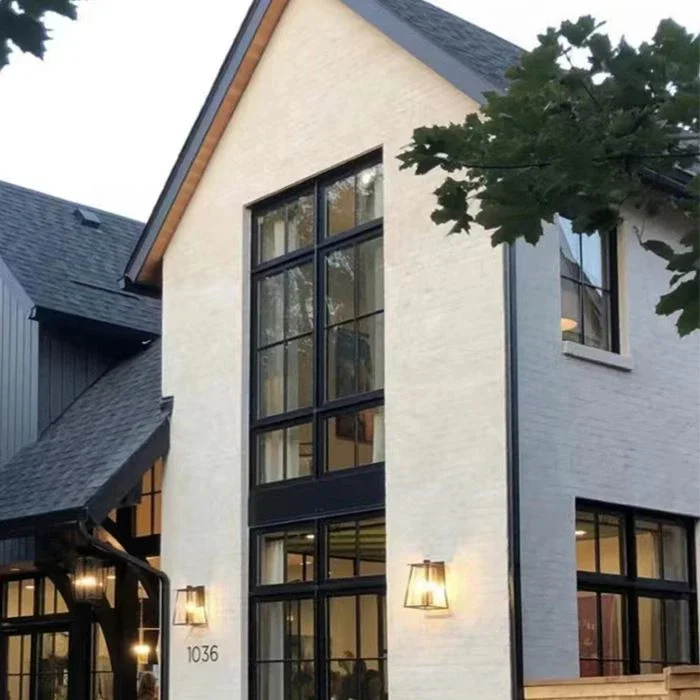
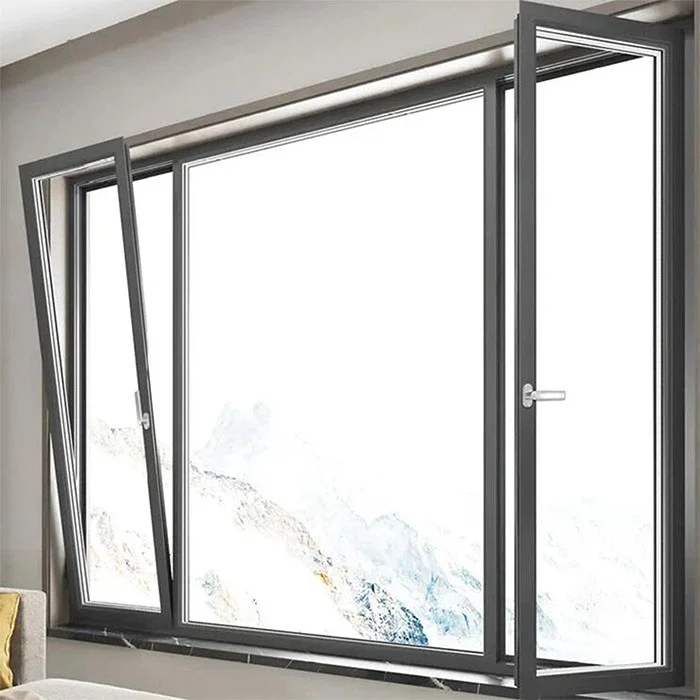
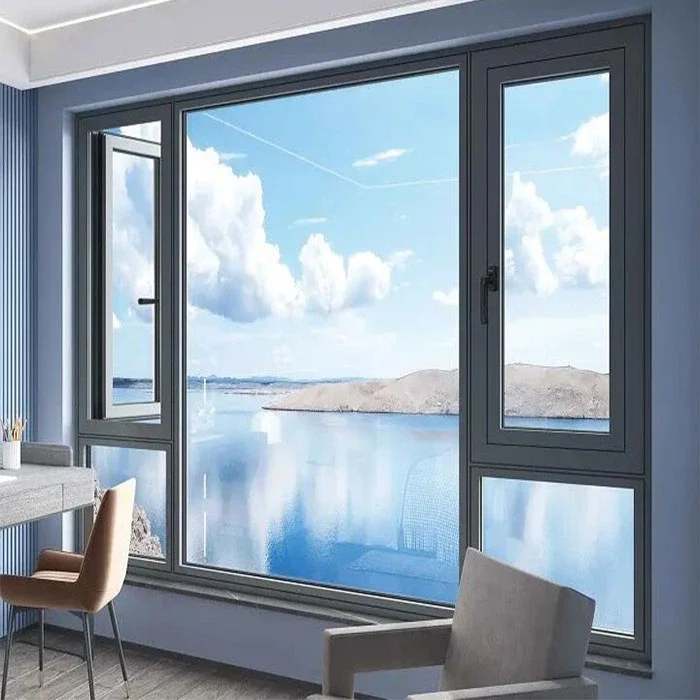
معارف ذات صلة
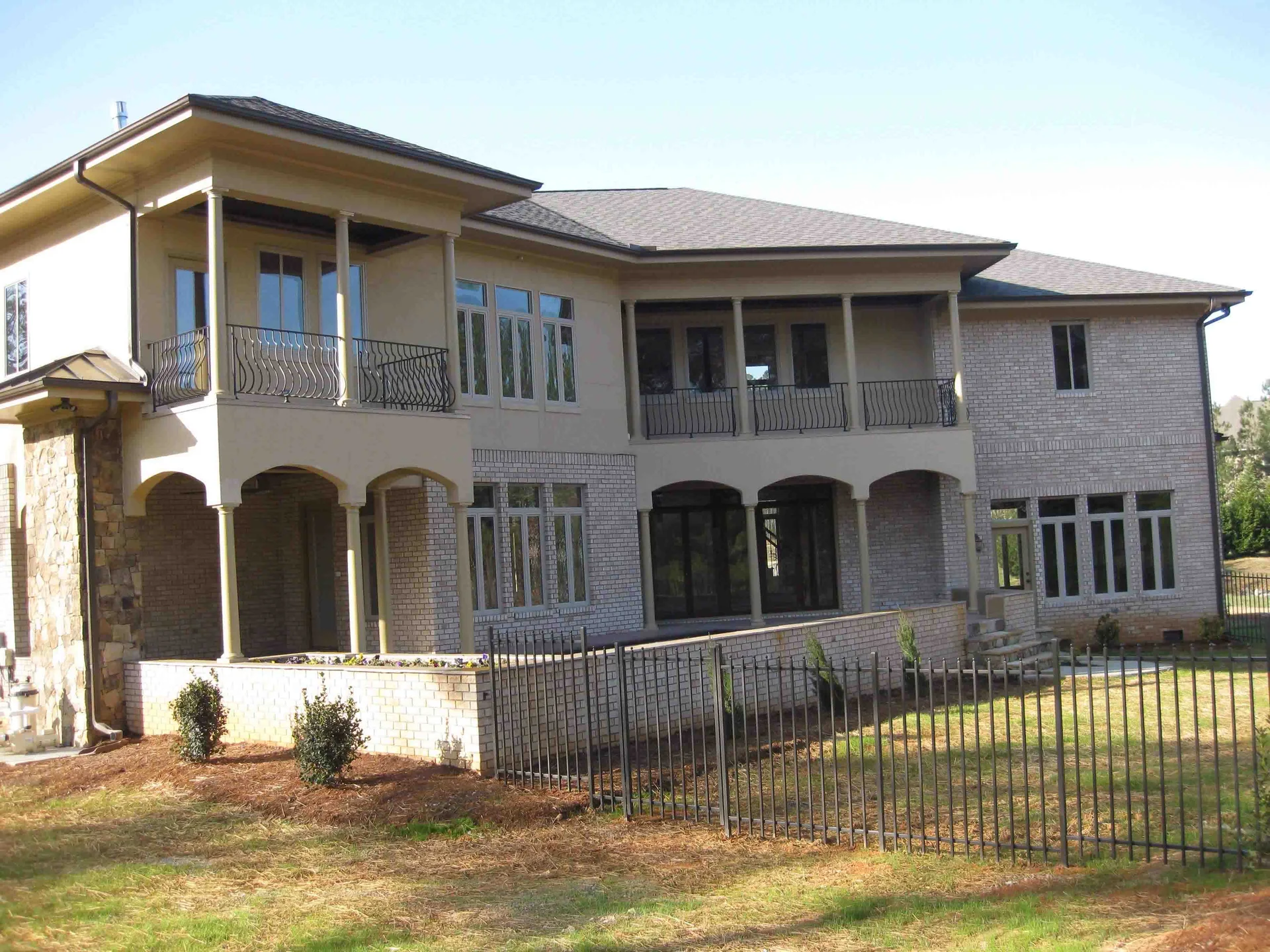
نوافذ الألومنيوم مقابل نوافذ uPVC للمشترين في أفريقيا: أي منها يناسب المشروع؟
مقارنة بين الراحة والمتانة والمظهر والصيانة والميزانية للمطورين والموزعين والمقاولين الذين يختارون بين نوافذ الألومنيوم و uPVC.
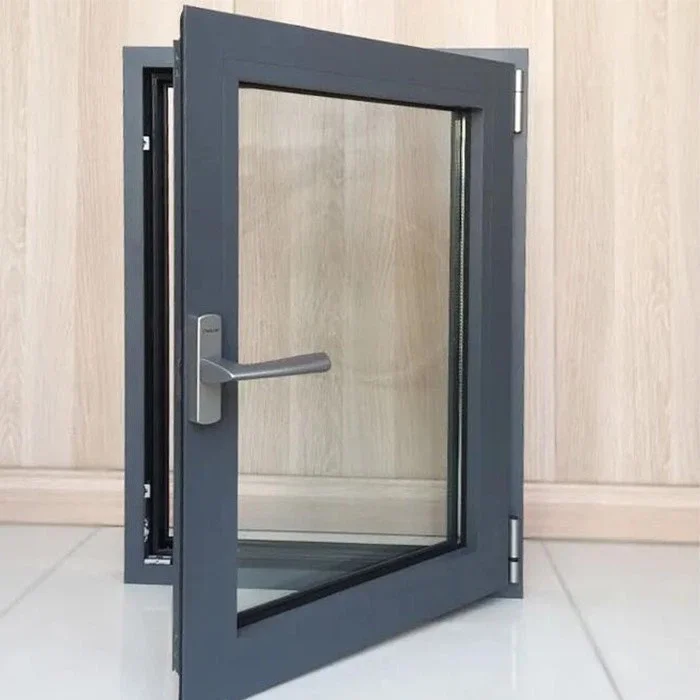
لماذا تتكثف النوافذ في المناخات الحارة والرطبة وكيفية تقليل ذلك
كيف يمكن أن تؤدي نقطة الندى ومواصفات الإطار الضعيفة وأخطاء التركيب إلى التكثف والعفن والشكاوى المتعلقة بالراحة.