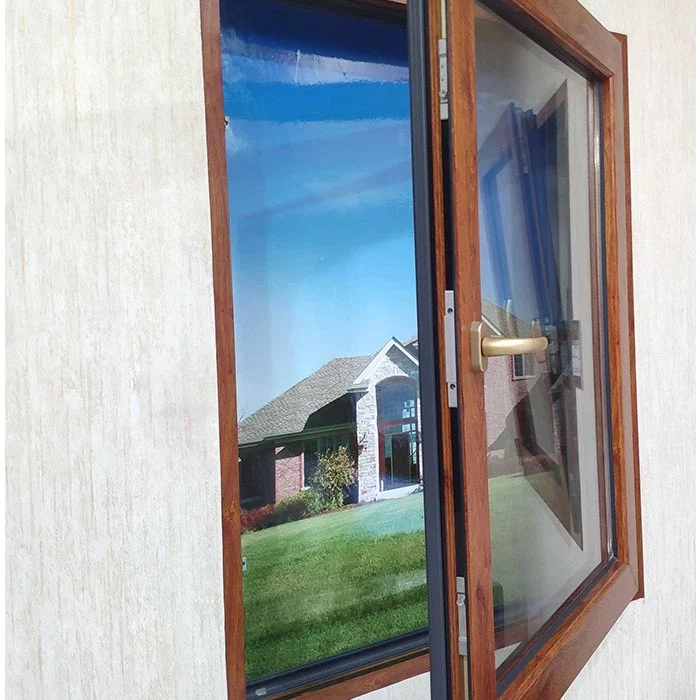
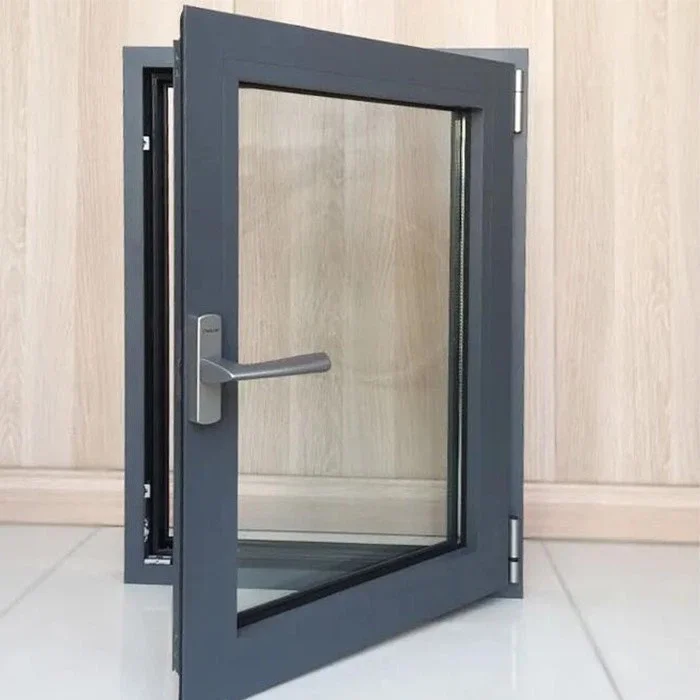
Ventanas de aluminio de alta eficiencia energética
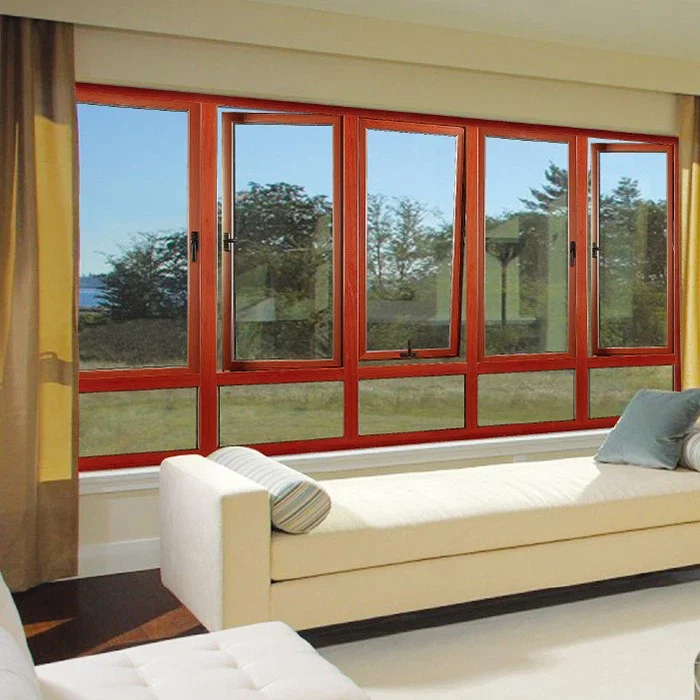
Las ventanas de aluminio de alta eficiencia energética están diseñadas específicamente para minimizar la transferencia de calor, mejorar el aislamiento y reducir el consumo de energía en los edificios. Estas ventanas incorporan varias características para mejorar su rendimiento térmico. Estas son algunas características comunes de las ventanas de aluminio de alta eficiencia energética.
Descripcion del producto
Energy-efficient aluminum windows are specifically designed to minimize heat transfer, improve insulation, and reduce energy consumption in buildings. These windows incorporate various features to enhance their thermal performance. Here are some common features of energy-efficient aluminum windows: Thermal Breaks: Energy-efficient aluminum windows often include a thermal break, which is a non-conductive material placed between the inner and outer parts of the window frame. This break helps to prevent the transfer of heat or cold between the exterior and interior of the window, reducing heat loss or gain. Low-E Coatings: Low-emissivity (Low-E) coatings are thin, transparent layers applied to the glass of the window. These coatings reduce the amount of heat that can pass through the glass while allowing visible light to enter. They reflect heat back into the room during the winter and reflect solar heat away during the summer, improving the window's insulation. Insulating Gases: Energy-efficient aluminum windows may incorporate insulating gases, such as argon or krypton, between the glass panes. These gases have low thermal conductivity and act as additional barriers against heat transfer, improving the window's insulation properties. Multiple Glazing: Double or triple glazing is common in energy-efficient aluminum windows. These windows consist of two or three glass panes with spaces in between, which are filled with insulating gases. The additional layers of glass and gas-filled spaces further enhance insulation and reduce heat transmission. Weatherstripping: Energy-efficient aluminum windows often feature high-quality weatherstripping to create a tight seal between the window sash and frame. This seal helps to prevent drafts, air leakage, and moisture infiltration, improving the window's energy efficiency. U-Factor and Solar Heat Gain Coefficient (SHGC): Energy-efficient windows are labeled with U-factor and SHGC ratings. The U-factor measures the window's insulation performance, with lower values indicating better insulation. The SHGC measures the window's ability to block solar heat, with lower values indicating better heat resistance. Look for windows with lower U-factor and SHGC ratings for improved energy efficiency. By incorporating these features, energy-efficient aluminum windows can significantly reduce energy loss or gain through windows, leading to improved indoor comfort, reduced heating and cooling costs, and lower environmental impact. They are a popular choice for energy-conscious homeowners and businesses looking to improve energy efficiency and sustainability.
Especificaciones
| Nombre del producto | Ventanas de aluminio de alta eficiencia energética serie 65 |
| Perfiles | Perfil de aluminio con rotura de puente térmico |
| Color | Se puede personalizar |
| Tipo de vidrio | LOW-E, Reflectante, Templado, Termoendurecido, Flotado |
| Herraje | Nacional (Chung, Weihui); HK (Kinlong); Alemania (Roto, Siegenia) |
| Características principales | Antiedad, impermeable, aislamiento acústico, aislamiento térmico, seguridad |
Características principales
Aislamiento de ingeniería
Las bandas de rotura de puente térmico de alta densidad integradas evitan los puentes térmicos a través del marco.
Bajo factor U
Optimizado para una conductividad térmica mínima para garantizar una comodidad estacional superior.
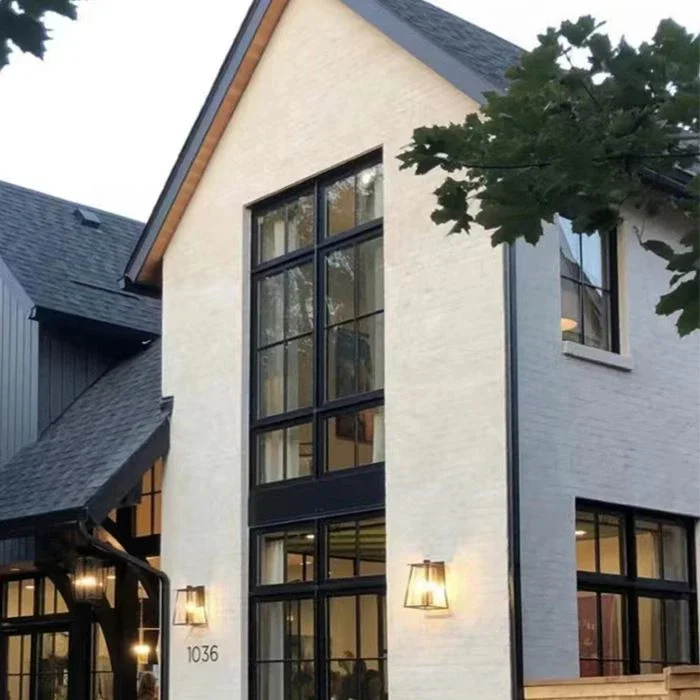
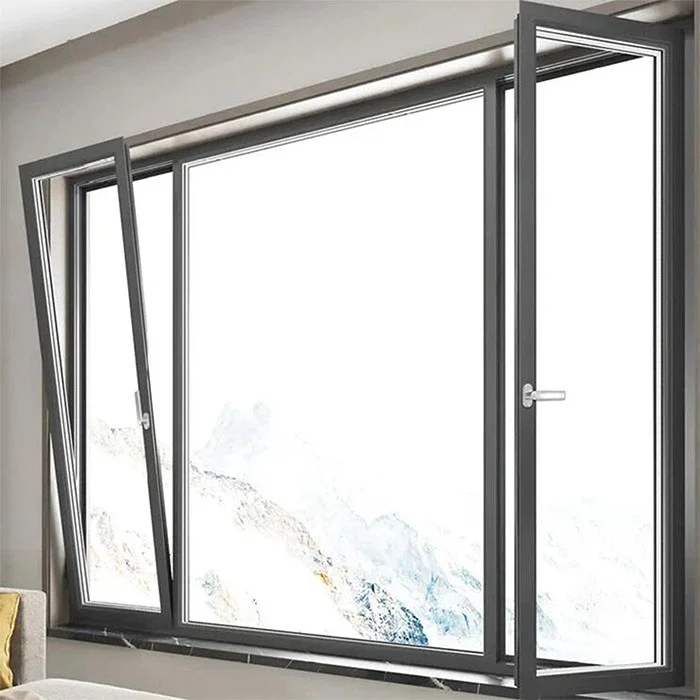
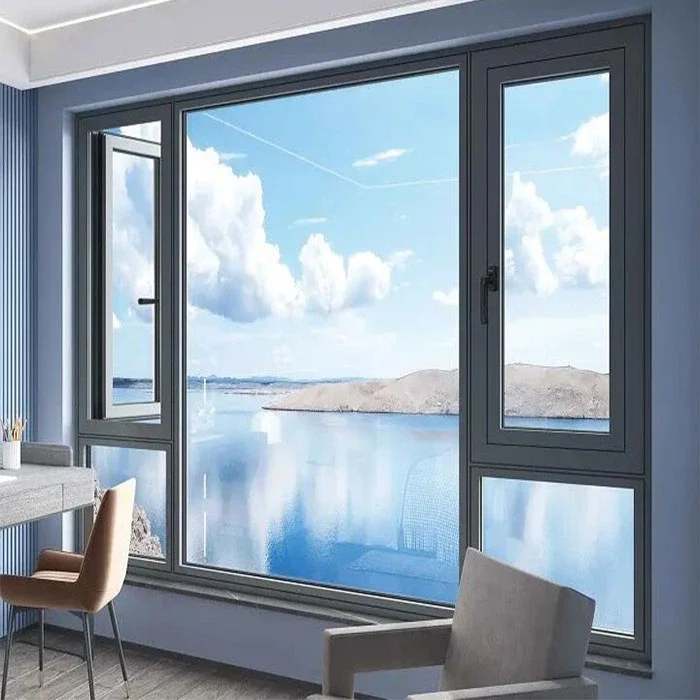
Casos de proyecto relacionados
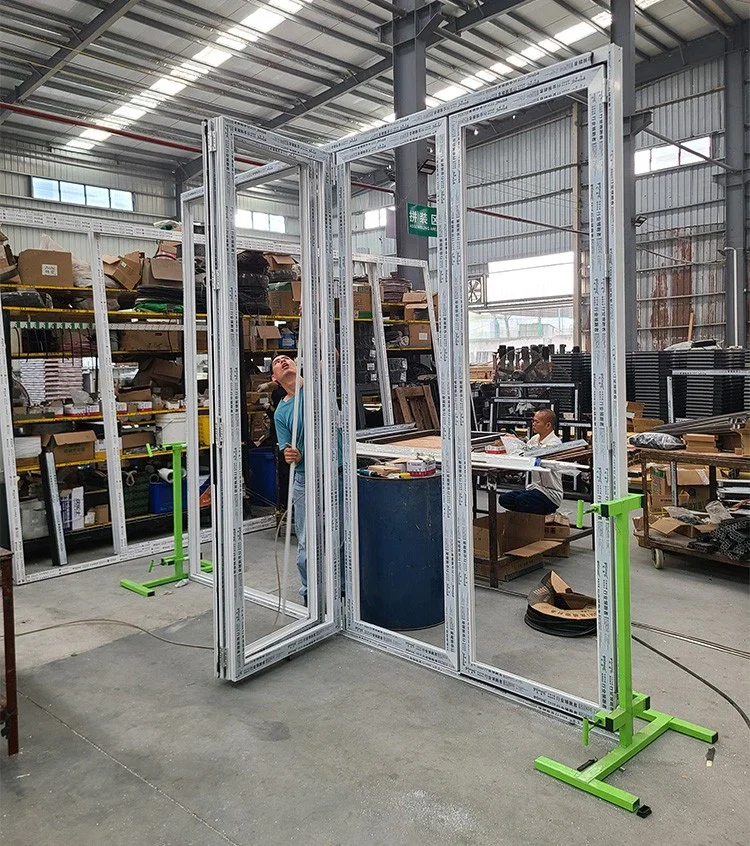
Producto de ventana plegable para cliente en Chile
El producto de ventana plegable para cliente en Chile es un caso residencial en Chile, suministrado con puertas plegables, ventanas plegables, ventanas de aluminio para el paquete de apertura principal.
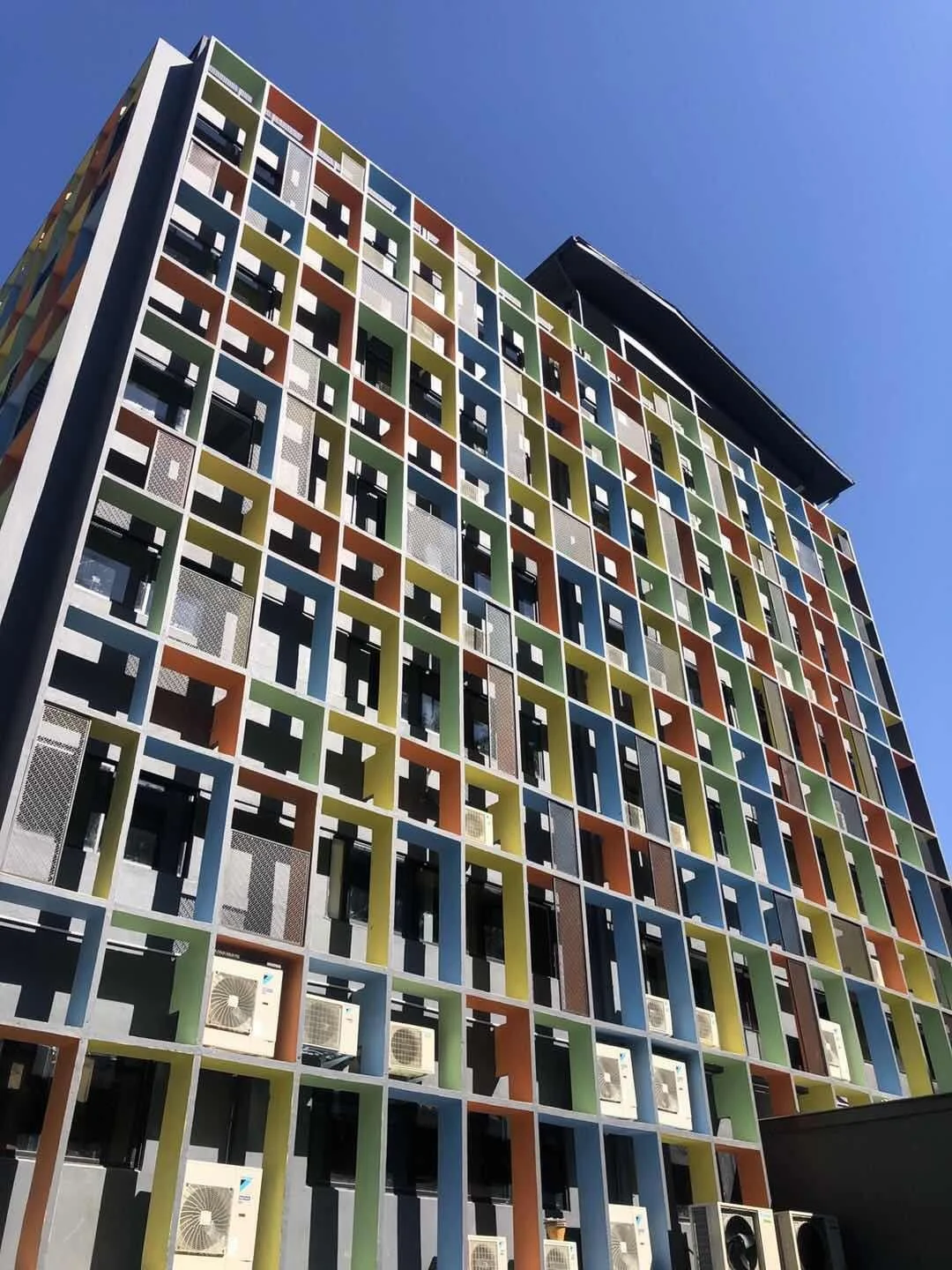
Proyecto Hotelero, en Malasia
Proyecto Hotelero, en Malasia es un caso de hospitalidad en Malasia, suministrado con sistema de muro cortina, ventanas abatibles, ventanas de aluminio para el paquete de apertura principal.
Insights relacionados
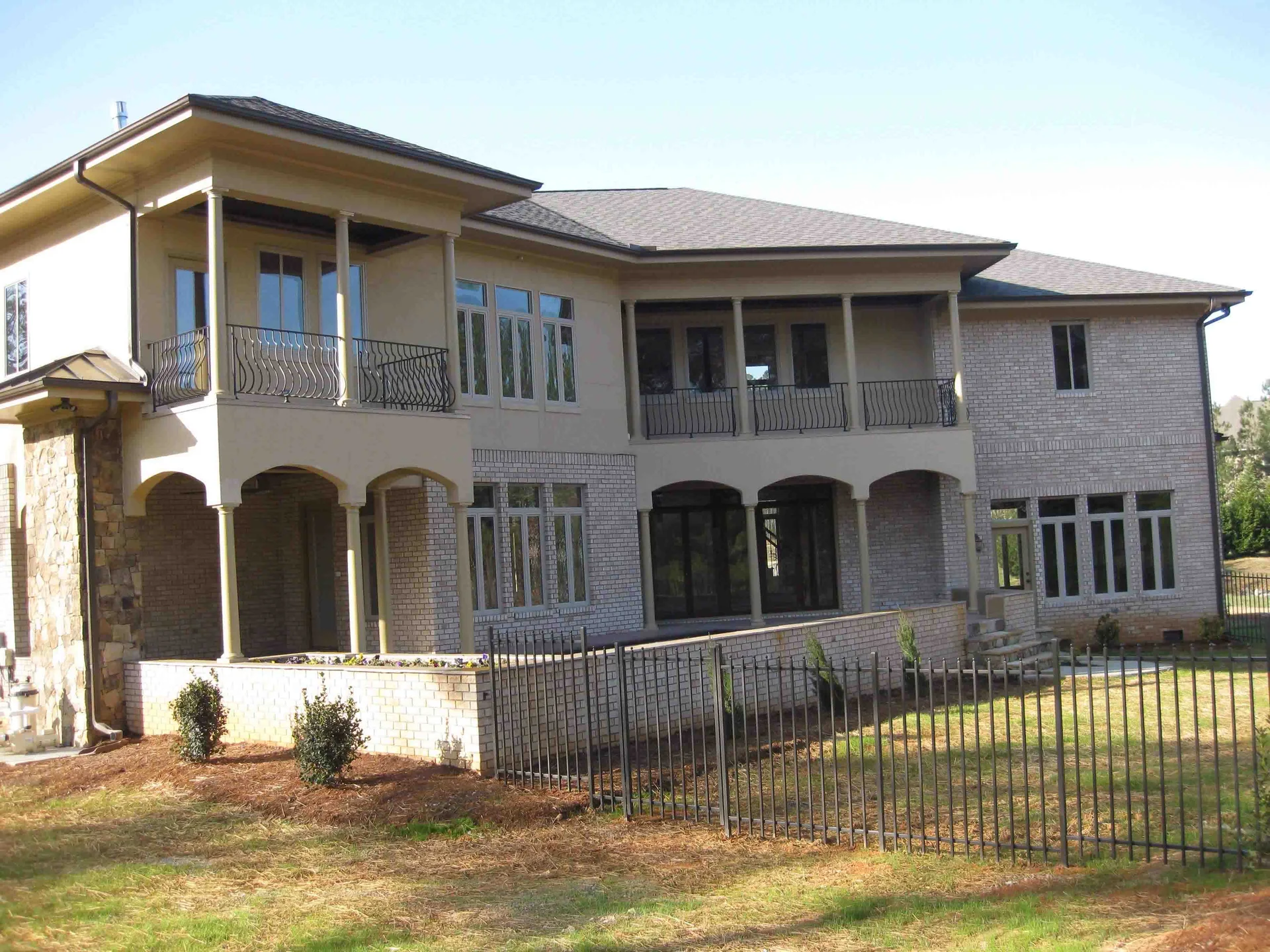
¿Ventanas de aluminio o uPVC para compradores africanos: cuál se adapta mejor al proyecto?
Se comparan la comodidad, la durabilidad, la apariencia, el mantenimiento y el presupuesto para los promotores, distribuidores y contratistas que eligen entre ventanas de aluminio y uPVC.
¿Por qué las ventanas se condensan en climas cálidos y húmedos y cómo reducirlo?
Cómo el punto de rocío, las especificaciones débiles del marco y los errores de instalación pueden provocar condensación, moho y quejas sobre la comodidad.