Pemilihan Produk17 Agu 2026
Kisi-Kisi Jendela untuk Rumah Tropis: Keamanan, Sirkulasi Udara, dan Desain yang Tidak Terkesan Seperti Penjara
Kisi-kisi jendela aluminium menjaga rumah tetap aman dengan jendela terbuka lebar — asalkan Anda memilih jenis, jarak antar palang, dan material yang tepat. Tralis permanen vs lepas pasang vs kasa pengaman, pola desain, serta aturan jalur evakuasi kebakaran yang sering luput dari perhatian pembeli.
Kisi-kisi aluminium mempertahankan ~70% aliran udara sekaligus mengamankan jendela terbuka
Jangan hanya permanen di kamar tidur — setiap ruangan memerlukan panel evakuasi
Pemilihan Produk17 Agu 2026
Jendela Louvre untuk Vila Tropis: Kapan Pilihan yang Tepat (dan Kapan Bukan)
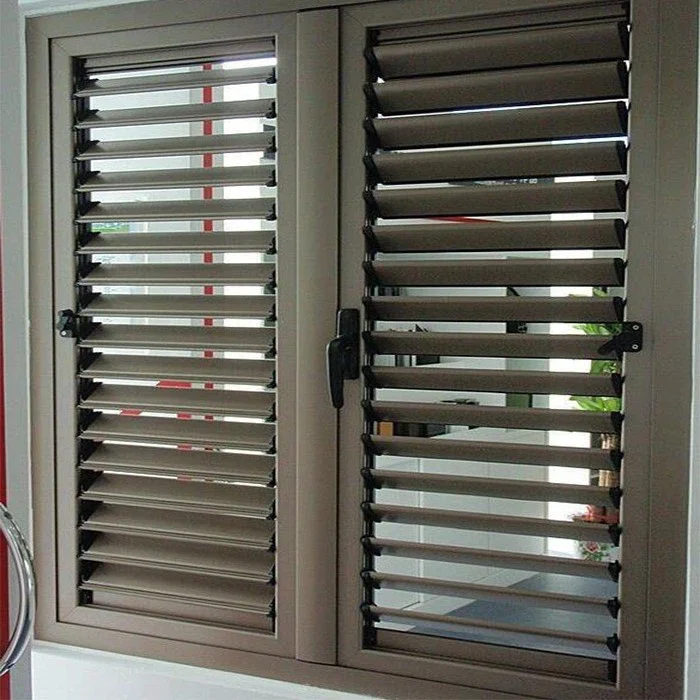
Jendela louvre mengalirkan hingga 86% aliran udara bebas, lebih banyak daripada jenis jendela lainnya, tetapi lemah dalam hal keamanan dan ketahanan badai. Panduan per ruangan bagi pemilik vila di iklim panas dan lembap.
Hingga 86% aliran udara bebas saat terbuka penuh, beberapa kali lipat jendela geser
Ventilasi tetap berjalan saat hujan ringan berkat sudut bilah
Perbandingan Kaca13 Apr 2026
Kaca Tinted vs Low-E untuk Proyek Iklim Panas
Kaca tinted mengurangi silau dan mengubah tampilan, sementara Low-E biasanya merupakan alat yang lebih kuat ketika masalah sebenarnya adalah perolehan panas matahari dan kenyamanan sisi fasad.
Kaca tinted dan Low-E tidak dapat dipertukarkan hanya karena keduanya dijual sebagai peningkatan kontrol panas.
Fasad yang lebih gelap tidak secara otomatis berarti ruangan yang lebih dingin di dekat jendela.
Kaca & Kontrol Surya12 Apr 2026
Kapan Kaca Low-E Sepadan di Iklim Panas
Kaca Low-E membantu ketika fasad menanggung beban matahari yang nyata, ruangan ber-AC, dan lapisan disesuaikan dengan orientasi, susunan kaca, dan sistem rangka.
Low-E paling berguna ketika perolehan panas matahari adalah bagian dari masalah kenyamanan yang sebenarnya, bukan hanya item baris dalam penawaran.
Orientasi, peneduhan, dan penggunaan ruangan sering kali menentukan apakah lapisan tersebut layak dibayar.
Pemilihan Material3 Apr 2026
Jendela Aluminium vs uPVC untuk Pembeli di Afrika: Mana yang Cocok untuk Proyek Anda?
Kenyamanan, daya tahan, penampilan, perawatan, dan anggaran dibandingkan untuk pengembang, distributor, dan kontraktor yang memilih antara jendela aluminium dan uPVC.
uPVC biasanya terasa lebih hangat, lebih tenang, dan lebih mudah untuk dibenarkan dalam proyek perumahan dengan anggaran terbatas.
Aluminium dengan thermal break biasanya berkinerja lebih baik ketika desain membutuhkan panel yang lebih besar, bingkai yang lebih ramping, dan dukungan perangkat keras yang lebih kuat.
Casement WindowsQuotation Details
Masalah Kinerja3 Apr 2026
Mengapa Jendela Berembun di Iklim Panas dan Lembap dan Cara Menguranginya
Bagaimana titik embun, spesifikasi bingkai yang lemah, dan kesalahan pemasangan dapat menyebabkan kondensasi, jamur, dan keluhan kenyamanan.
Kondensasi adalah gejala, bukan kategori produk.
Suhu bingkai, pilihan spacer, dan kebocoran udara lebih penting daripada klaim brosur.
Casement WindowsQuality Control Notes
Kaca & Akustik3 Apr 2026
Spesifikasi Kaca Terbaik untuk Jalanan yang Panas dan Bising: Hal yang Biasanya Terlewatkan oleh Pembeli
Jawaban langsung untuk dua keluhan umum sekaligus: terlalu banyak panas matahari dan terlalu banyak kebisingan lalu lintas.
Pengurangan kebisingan bergantung pada desain sistem, bukan hanya ketebalan panel.
Pilihan Low-E yang baik harus sesuai dengan iklim dan orientasi, tidak diperlakukan seperti peningkatan generik.
Casement WindowsSpecification Sheet
Dasar-Dasar Sistem3 Apr 2026
Apa Arti Sebenarnya Thermal Break pada Jendela Aluminium
Apa yang membedakan kinerja thermal break yang sebenarnya dari bahasa pemasaran yang tidak jelas.
Thermal break adalah detail sistem, bukan hanya label produk.
Rangka thermal break yang lemah masih dapat berkinerja buruk jika kaca dan penyegelan tidak ditentukan dengan baik.
Casement WindowsFactory Profile
Metode Penggantian3 Apr 2026
Penggantian Sisipan vs. Penggantian Jendela Rangka Penuh: Ketika Metode Mengubah Hasil
Penjelasan praktis tentang mengapa metode penggantian dapat memengaruhi kebocoran, kondensasi, daya tahan, dan kepuasan pembeli sama seperti jendela baru itu sendiri.
Jendela baru yang bagus pun masih dapat berkinerja buruk jika dipasang pada rangka lama yang buruk.
Metode penggantian memengaruhi drainase, kesinambungan penyegelan, dan area kaca yang dapat digunakan.
Casement WindowsQuotation Details
Daftar Periksa Proyek3 Apr 2026
Daftar Periksa Spesifikasi Jendela Pesisir untuk Pengembang dan Importir
Apa yang paling penting dalam proyek pesisir, mulai dari udara garam dan paparan UV hingga drainase, ketahanan terhadap korosi, dan pilihan kaca.
Udara garam mengekspos lapisan dan perangkat keras yang lemah dengan sangat cepat.
Detail drainase dan penyegelan sama pentingnya dengan bahan rangka.
Casement WindowsCertification Files
Perbandingan Sistem3 Apr 2026
Pintu Geser vs Pintu Bifold untuk Bukaan Besar
Bagaimana pintu geser dan pintu bifold berbeda dalam nuansa bukaan, desain ambang pintu, tampilan, beban perangkat keras, dan penggunaan sehari-hari untuk bukaan besar.
Pintu geser biasanya memberikan garis pandang yang lebih bersih dan pengoperasian sehari-hari yang lebih tenang.
Pintu bifold biasanya memberikan nuansa yang lebih terbuka saat panel ditumpuk sepenuhnya.
Sliding DoorsCapability Pack Outline
Penawaran Pertama3 Apr 2026
Informasi Apa yang Membantu Pembeli Mendapatkan Penawaran Jendela Pertama yang Lebih Baik
Detail proyek yang biasanya membuat penawaran putaran pertama lebih jelas, lebih cepat, dan lebih mudah dibandingkan.
Brief proyek yang lebih jelas biasanya menghasilkan penawaran pertama yang lebih jelas daripada tumpukan gambar yang belum selesai.
Penawaran menjadi lebih mudah dibandingkan ketika prioritas pembeli eksplisit.
Product CenterQuotation Details
Strategi Kaca3 Apr 2026
Kaca Terbaik untuk Proyek Vila Pantai yang Panas
Kontrol matahari, privasi, kelembapan, risiko kondensasi, dan tampilan fasad yang seimbang untuk paket kaca di dekat laut.
Kaca harus dipilih dengan bingkai dan orientasi, tidak secara terpisah.
Paket vila sering kali perlu menyeimbangkan perolehan panas matahari, privasi, dan pemandangan pada saat yang bersamaan.
Casement WindowsSpecification Template
Keamanan Kaca10 Apr 2026
Kapan Kaca Laminasi Layak Digunakan dalam Proyek Vila dan Pesisir
Kapan kaca laminasi mengatasi risiko proyek yang nyata, dan kapan kaca laminasi hanya menambah biaya tanpa mengubah hasilnya.
Kaca laminasi paling penting di mana perilaku pecah mengubah hasil keselamatan.
Untuk proyek pesisir yang terpapar, pertanyaannya bukan hanya kekuatan tetapi apa yang tetap di tempatnya setelah benturan atau retakan.
Desain Fasad11 Apr 2026
Mengapa Garis Pandang Ramping Mengubah Keputusan Perangkat Keras dan Beban Angin
Bingkai ramping dapat meningkatkan tampilan fasad, tetapi juga mengubah berat sash, kekakuan interlock, pemilihan perangkat keras, dan rentang ukuran aman untuk bukaan yang terbuka.
Bingkai yang lebih ramping biasanya mempersempit margin struktural, jadi ukuran bukaan dan paparan lebih penting, bukan kurang.
Masalah perangkat keras pada sistem ramping biasanya berasal dari berat sash, leverage, dan defleksi, bukan dari kata 'ramping' itu sendiri.
Perbandingan Material Rangka14 Apr 2026
Jendela Aluminium Clad vs Fiberglass untuk Proyek dengan Paparan Sinar Matahari Tinggi
Dalam proyek dengan paparan sinar matahari tinggi, pilihan terbaik biasanya bergantung pada seberapa banyak panas yang mengenai rangka, seberapa besar bukaan, dan apakah spesifikasi memerlukan daya tahan eksterior yang lebih kuat atau kontrol termal yang lebih ketat.
Proyek dengan paparan sinar matahari yang kuat memperlihatkan perbedaan antara rangka yang hanya terlihat bagus dalam penawaran dan rangka yang tetap stabil setelah pemasangan.
Keputusan material harus terkait dengan perilaku termal, pergerakan rangka, berat kaca, dan paparan eksterior, bukan hanya penampilan.