Aluminum-Clad vs Fiberglass Windows for Hot-Sun Projects
In hot-sun projects, the better choice usually depends on how much heat hits the frame, how large the openings are, and whether the specification needs stronger exterior durability or tighter thermal control.
For a project with strong sun exposure, when does aluminum-clad make more sense than fiberglass, and when does fiberglass deserve the upgrade?
Aluminum-clad usually makes more sense when the project wants a durable metal exterior, slimmer exterior lines, and a finish that can handle strong weather with less concern about surface movement. Fiberglass becomes easier to justify when thermal control, dimensional stability, and lower frame heat transfer matter more than a metal exterior appearance. The practical decision is rarely about which material sounds more premium. It is about matching sun exposure, opening size, maintenance expectations, and glazing weight to the frame system that will stay stable on site.
Hot-sun projects expose the difference between a frame that only looks good in the quote and one that stays stable after installation.
The material decision should be tied to thermal behavior, frame movement, glazing weight, and exterior exposure, not only appearance.
A stronger specification usually explains where the project needs durability outside and where it needs tighter thermal control inside.
Quick Comparison
| Topic | Aluminum-Clad | Fiberglass |
|---|---|---|
| Where it usually fits best | Projects wanting a durable exterior metal skin, crisp facade lines, and stronger weather-facing protection | Projects where lower frame heat transfer and steadier frame movement matter more than a metal exterior finish |
| Main specification question | How the exterior cladding, core material, and finish will handle sun, rain, and maintenance exposure | Whether the frame can deliver the thermal and dimensional stability the project is paying for |
| What still has to match | Corner detailing, finish quality, hardware support, and how the outer shell meets the weather line | Profile depth, reinforcement logic, glazing capacity, and exposure-driven hardware sizing |
| Common mistake | Assuming any aluminum-clad unit will perform well just because the outside feels more premium | Assuming fiberglass alone guarantees a better whole window without checking build-up, sealing, and installation quality |
Why this comparison matters most in strong sun
On a mild site, both options can look acceptable on paper. Strong sun changes the decision because frame surfaces run hotter, sealants and finishes age faster, and any mismatch between glazing weight and frame behavior becomes easier to notice over time. That is why hot-sun projects should compare frame material as part of a full opening specification, not as a showroom finish choice.
The useful question is simple: where is the project trying to gain an advantage? If the outside face takes harsh weather and the facade wants sharper metal lines, aluminum-clad may be the more natural direction. If interior comfort, lower frame heat transfer, and steadier material movement are more important, fiberglass often deserves a closer look.
When aluminum-clad usually makes more sense
Aluminum-clad is usually easier to justify when the project puts high value on exterior durability, finish consistency, and a facade language built around metal. It can be a practical fit for villas, hospitality projects, and premium residential work where the outside face is expected to take heavy weather while keeping a cleaner visual line than bulkier alternatives.
- Check how the exterior aluminum layer, the inner structural material, and the corner detailing are built together rather than judging the product by finish samples alone.
- Large glass and exposed elevations still need clear rules for profile depth, hardware support, and approved panel size.
- Where the outside weather line is aggressive, ask how the cladding, drainage, and sealing strategy work together at the frame edge.
When fiberglass usually deserves the upgrade
Fiberglass becomes more convincing when the project cares deeply about thermal behavior and stable frame movement through long, hot days. It is often easier to defend on elevations where interior comfort matters more than a metallic exterior look, or where the buyer wants the frame decision to support better glazing performance instead of competing with it.
That does not mean every fiberglass quote is automatically the safer answer. The frame still needs enough profile depth, reliable corner construction, hardware support, and glazing capacity for the panel size. A weak build-up can waste the advantage of a better base material just as easily as a weak aluminum-clad package can.
FAQ
Is fiberglass always better in hot climates?
No. Fiberglass can be a strong choice when thermal behavior and frame stability are the priority, but the whole result still depends on profile design, glazing build-up, sealing, hardware, and installation.
Does aluminum-clad mean the whole frame is aluminum?
Not necessarily. The important point is how the exterior aluminum layer and the inner structural material work together. Buyers should ask about the full frame build-up, not just the outer skin.
What should a quotation show before choosing between the two?
It should show the frame build-up, profile depth, glass make-up, panel size limits, hardware concept, exterior finish assumption, and the exposure conditions the system is meant to handle.
Related Insights
August 17, 2026
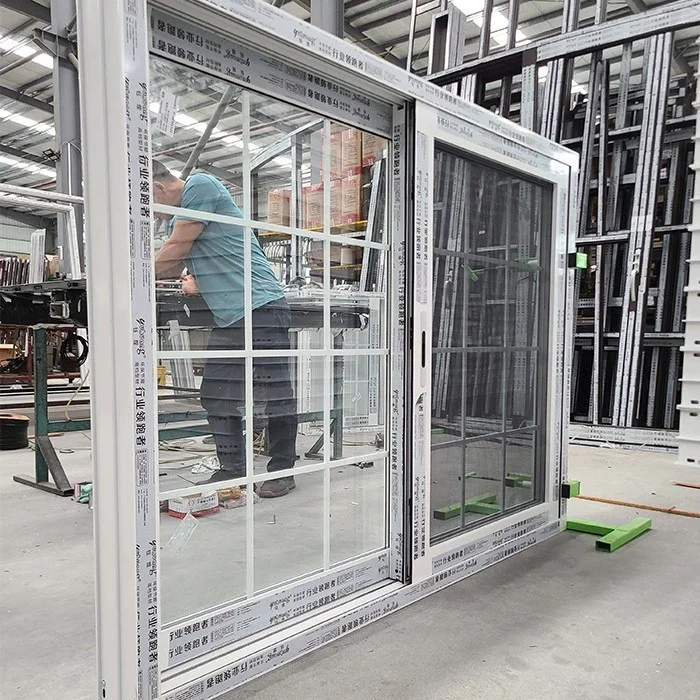
Window Grills for Tropical Homes: Security, Airflow, and Designs That Don't Look Like a Jail
Aluminum window grills keep a home secure with the windows wide open — if you pick the right type, spacing, and material. Fixed vs removable vs security mesh, design patterns, and the fire-egress rule most buyers miss.
August 17, 2026
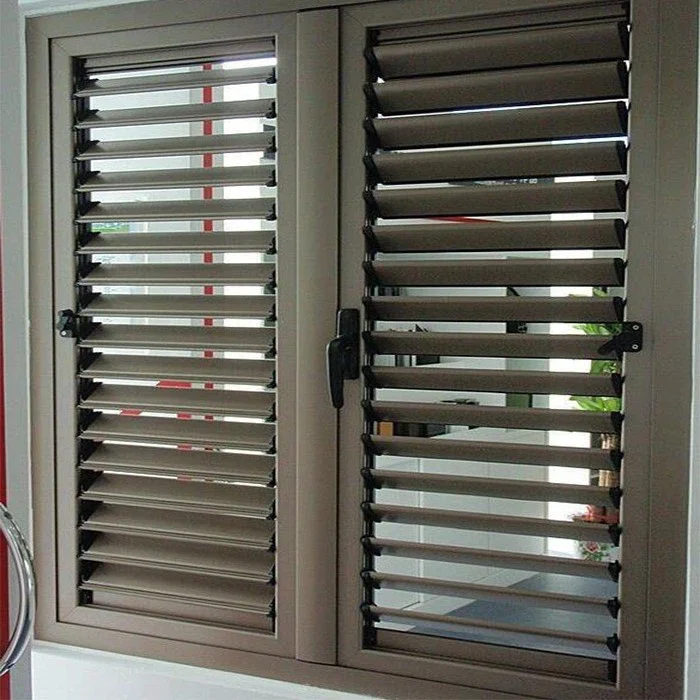
Louver Windows for Tropical Villas: When They're the Right Call (and When They're Not)
Louver windows move up to 86% free airflow — more than any other window type — but they're weak on security and storms. A room-by-room guide for villa owners in hot, humid climates.