Product SelectionAug 17, 2026
Window Grills for Tropical Homes: Security, Airflow, and Designs That Don't Look Like a Jail
Aluminum window grills keep a home secure with the windows wide open — if you pick the right type, spacing, and material. Fixed vs removable vs security mesh, design patterns, and the fire-egress rule most buyers miss.
Aluminum grills keep ~70% airflow while securing open windows
Never fixed-only on bedrooms — every room needs an escape panel
Product SelectionAug 17, 2026
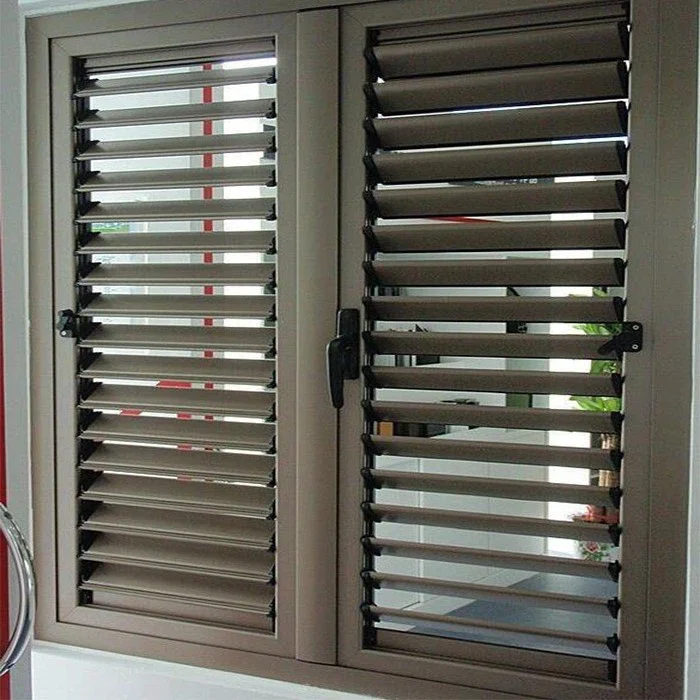
Louver Windows for Tropical Villas: When They're the Right Call (and When They're Not)
Louver windows move up to 86% free airflow — more than any other window type — but they're weak on security and storms. A room-by-room guide for villa owners in hot, humid climates.
Up to 86% free airflow fully open — several times a sliding window
Ventilation continues in light rain thanks to blade angles
Glass ComparisonApr 13, 2026
Tinted Glass vs Low-E for Hot-Climate Projects
Tinted glass cuts glare and changes appearance, while Low-E is usually the stronger tool when the real problem is solar heat gain and facade-side comfort.
Tinted glass and Low-E are not interchangeable just because both are sold as heat-control upgrades.
A darker facade does not automatically mean a cooler room near the window.
Glass & Solar ControlApr 12, 2026
When Low-E Glass Is Worth It in Hot Climates
Low-E glass helps when the facade carries real solar load, the room is air-conditioned, and the coating is matched to orientation, glass build-up, and frame system.
Low-E is most useful when solar heat gain is part of the real comfort problem, not just a line item in the quote.
Orientation, shading, and room usage often decide whether the coating is worth paying for.
Material SelectionApr 3, 2026
Aluminum vs uPVC Windows for Africa Buyers: Which One Fits the Project?
Comfort, durability, appearance, maintenance, and budget compared for developers, distributors, and contractors choosing between aluminum and uPVC windows.
uPVC usually feels warmer, quieter, and easier to justify in residential projects with tight budgets.
Thermally broken aluminum usually performs better when the design needs larger panels, slimmer frames, and stronger hardware support.
Casement WindowsQuotation Details
Performance ProblemsApr 3, 2026
Why Windows Condensate in Hot, Humid Climates and How to Reduce It
How dew point, weak frame specifications, and installation mistakes can lead to condensation, mildew, and comfort complaints.
Condensation is a symptom, not a product category.
Frame temperature, spacer choice, and air leakage matter more than brochure claims.
Casement WindowsQuality Control Notes
Glass & AcousticsApr 3, 2026
Best Glass Spec for Hot, Noisy Streets: What Buyers Usually Miss
A direct answer to two common complaints at once: too much solar heat and too much traffic noise.
Noise reduction depends on system design, not only pane thickness.
A good Low-E choice should match climate and orientation, not be treated like a generic upgrade.
Casement WindowsSpecification Sheet
System BasicsApr 3, 2026
What Thermal Break Really Means in Aluminum Windows
What separates real thermal-break performance from vague marketing language.
Thermal break is a system detail, not just a product label.
A weak thermal-break frame can still underperform if glazing and sealing are poorly specified.
Casement WindowsFactory Profile
Replacement MethodApr 3, 2026
Insert vs Full-Frame Window Replacement: When the Method Changes the Result
A practical explanation of why replacement method can affect leakage, condensation, durability, and buyer satisfaction as much as the new window itself.
A good new window can still underperform if it is fitted into a bad old frame.
Replacement method affects drainage, sealing continuity, and usable glass area.
Casement WindowsQuotation Details
Project ChecklistApr 3, 2026
Coastal Window Specification Checklist for Developers and Importers
What matters most in coastal projects, from salt air and UV exposure to drainage, corrosion resistance, and glazing choices.
Salt air exposes weak coatings and weak hardware very quickly.
Drainage and sealing details matter as much as the frame material.
Casement WindowsCertification Files
System ComparisonApr 3, 2026
Sliding Door vs Bifold Door for Large Openings
How sliding doors and bifold doors differ in opening feel, threshold design, views, hardware load, and daily use for large openings.
Sliding doors usually deliver cleaner sightlines and calmer daily operation.
Bifold doors usually deliver a more open feeling when the panels are fully stacked away.
Sliding DoorsCapability Pack Outline
First QuotationApr 3, 2026
What Information Helps Buyers Get a Better First Window Quote
The project details that usually make first-round quotations clearer, faster, and easier to compare.
A clearer project brief usually leads to a clearer first quote than a pile of unfinished drawings.
Quotations get easier to compare when the buyer's priorities are explicit.
Product CenterQuotation Details
Glazing StrategyApr 3, 2026
Best Glazing for Hot Coastal Villa Projects
Solar control, privacy, humidity, condensation risk, and facade appearance balanced for glazing packages near the sea.
The glass should be chosen with the frame and orientation, not in isolation.
A villa package often needs to balance solar gain, privacy, and view at the same time.
Casement WindowsSpecification Template
Glass SafetyApr 10, 2026
When Laminated Glass Is Worth Using in Villa and Coastal Projects
When laminated glass addresses a real project risk, and when it mainly adds cost without changing the result.
Laminated glass matters most where breakage behavior changes the safety outcome.
For exposed coastal projects, the question is not only strength but what stays in place after impact or cracking.
Facade DesignApr 11, 2026
Why Slim Sightlines Change Hardware and Wind-Load Decisions
Slim frames can improve the facade, but they also change sash weight, interlock stiffness, hardware selection, and the safe size range for exposed openings.
A slimmer frame usually narrows the structural margin, so opening size and exposure matter more, not less.
Hardware problems on slim systems usually come from sash weight, leverage, and deflection, not from the word 'slim' itself.
Frame Material ComparisonApr 14, 2026
Aluminum-Clad vs Fiberglass Windows for Hot-Sun Projects
In hot-sun projects, the better choice usually depends on how much heat hits the frame, how large the openings are, and whether the specification needs stronger exterior durability or tighter thermal control.
Hot-sun projects expose the difference between a frame that only looks good in the quote and one that stays stable after installation.
The material decision should be tied to thermal behavior, frame movement, glazing weight, and exterior exposure, not only appearance.