Why Windows Condensate in Hot, Humid Climates and How to Reduce It
How dew point, weak frame specifications, and installation mistakes can lead to condensation, mildew, and comfort complaints.
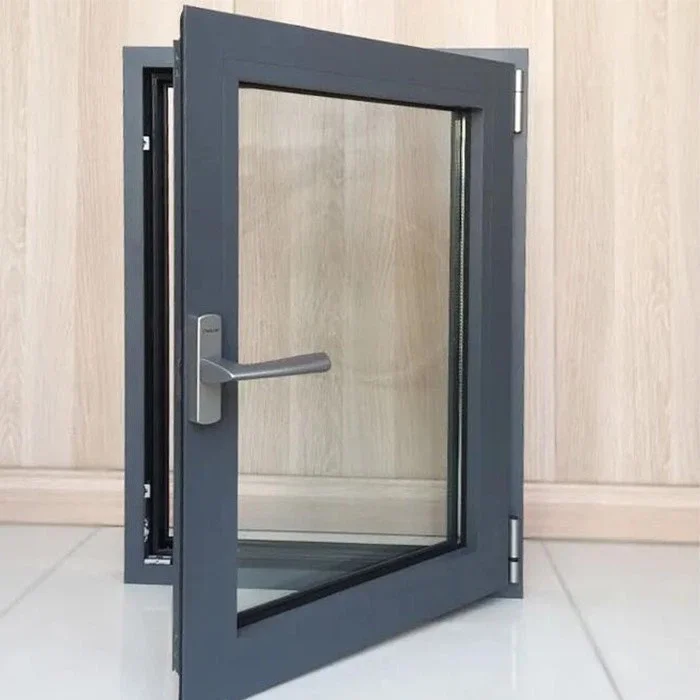
Why do some new windows still show condensation in hot or humid conditions?
Condensation happens when a window surface becomes colder than the surrounding dew point. The trigger may be outside humidity, indoor air-conditioning, weak thermal breaks, poor spacer systems, or air leakage around the frame. Fixing it usually requires a system-level look at frame, glass, sealing, and installation together.
Condensation is a symptom, not a product category.
Frame temperature, spacer choice, and air leakage matter more than brochure claims.
A colder surface is not always a manufacturing defect. It may be a climate-and-HVAC interaction.
What condensation usually tells you
If condensation appears on the exterior surface in the morning, it may simply mean the outer pane cooled below outdoor dew point overnight. If it appears on the interior side near the frame, that often points to weak edge performance, frame conductivity, or indoor humidity staying too high relative to air-conditioning settings.
What usually needs upgrading first
In tropical and coastal markets, the best anti-condensation package usually combines a thermal-break frame, insulated glazing, a warm-edge spacer, multi-point sealing, and controlled drainage. If one of these is missing, the weak point tends to show up first around the frame edge.
- Projects usually perform better when the glass is truly insulated rather than only described with broad sales wording.
- A real thermal-break system is easier to trust when the frame section and barrier concept are clearly shown.
- Perimeter sealing details matter most when high humidity and air-conditioning work against each other.
What matters before deciding
Before deciding whether the window specification is weak, it is worth confirming where the condensation appears, when it appears, whether the room is heavily air-conditioned, and whether ventilation is limited. Once those conditions are clear, the right upgrade path becomes much easier to judge.
FAQ
Does condensation always mean the glass failed?
No. It only proves a surface reached dew point. Seal failure is a different issue and usually shows as persistent fogging between panes, not simple surface moisture.
Can better installation reduce condensation risk?
Yes. Even a good window can underperform if the perimeter sealing, insulation continuity, and drainage detail are poor.
What is the first upgrade worth paying for?
For aluminum windows in humid climates, the first meaningful upgrade is usually a real thermal break plus insulated glazing rather than cosmetic add-ons.
Related Insights
April 3, 2026
Best Glazing for Hot Coastal Villa Projects
Solar control, privacy, humidity, condensation risk, and facade appearance balanced for glazing packages near the sea.
April 3, 2026
What Thermal Break Really Means in Aluminum Windows
What separates real thermal-break performance from vague marketing language.