Why Slim Sightlines Change Hardware and Wind-Load Decisions
Slim frames can improve the facade, but they also change sash weight, interlock stiffness, hardware selection, and the safe size range for exposed openings.
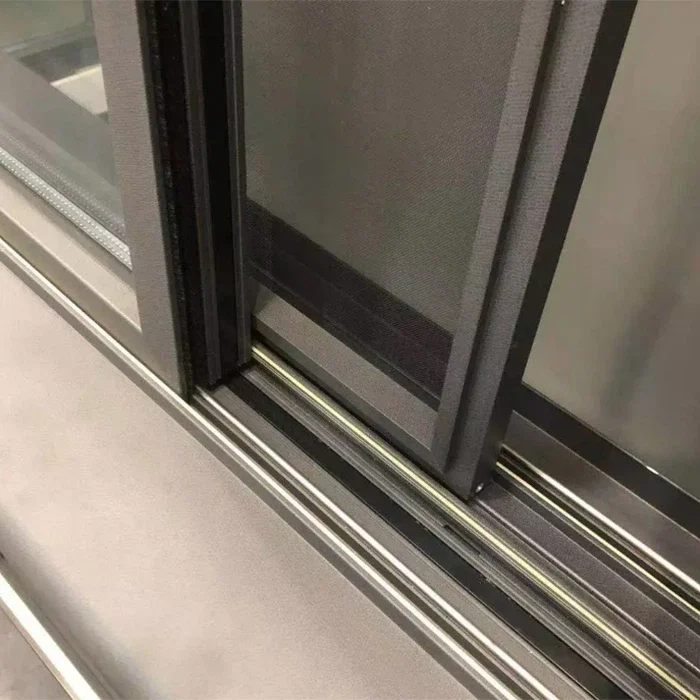
Why can a slim-sightline window or door need different hardware and wind-load logic than a standard frame?
Slim sightlines reduce visible frame width, but they also leave less material to carry glass weight, resist deflection, and hold hardware under repeated use. That means the design usually needs tighter control over panel size, profile depth, interlock structure, reinforcement, roller or hinge capacity, and project exposure. A slim elevation can work very well, but only when the opening size and wind demand stay aligned with the real system limits.
A slimmer frame usually narrows the structural margin, so opening size and exposure matter more, not less.
Hardware problems on slim systems usually come from sash weight, leverage, and deflection, not from the word 'slim' itself.
The right question is not whether the facade looks lighter, but whether the system still has enough profile depth, interlock strength, and fixing support for the real opening.
Quick Comparison
| Topic | Aggressive Slim Sightline | Balanced Structural Spec |
|---|---|---|
| Visible frame width | Cleaner facade and larger glass percentage | Slightly wider lines, but more room for structure and fixing |
| Tolerance for large sash sizes | Usually tighter, especially when glass becomes heavier or exposure increases | Usually safer when the opening is taller, wider, or used more often |
| Hardware demand | Higher dependence on precise roller, hinge, lock, and fixing capacity | Usually gives hardware more margin against sagging and repeated operation |
| Wind and deflection reserve | Needs stricter checking of interlock stiffness and profile depth before approving the panel size | Usually easier to justify for exposed elevations and larger panel formats |
Why a slimmer frame changes more than the appearance
A slim-sightline brief usually starts with facade intent: more glass, less visible metal, and a lighter architectural feel. The technical consequence is that the frame often has less visible width to share load, control movement, and anchor hardware. That changes how safely the system can carry thicker insulated glass, wider sliders, taller casements, or high-cycle openings.
That does not mean slim systems are weak. It means the design has less room for casual oversizing. A panel that works well in a standard frame may need a different profile depth, a stronger interlock, or a smaller approved size once the visible lines are reduced.
Where hardware pressure usually appears first
Most field complaints on slim openings show up as hard sliding, dropped sashes, lock misalignment, hinge fatigue, or air leakage after repeated use. These are usually not styling problems. They happen when the hardware package is asked to manage too much glass weight or too much panel movement for the amount of structure behind it.
- Sliding systems: check sash weight, roller rating, interlock stiffness, track quality, and whether the panel width is pushing the rollers beyond comfortable long-term use.
- Casement systems: check hinge load, friction-stay length, handle leverage, and whether wind suction will twist the sash more than the corner joints can comfortably resist.
- Large insulated glass make-ups: thicker glass can improve comfort or acoustics, but it also increases the hardware burden immediately.
How wind-load logic usually forces a specification decision
Wind demand does not care whether the architect prefers a minimal line. If the opening sits on a corner, upper floor, seafront facade, or another exposed elevation, the system may need a deeper frame, stronger mullion, thicker interlock wall, shorter approved span, or different opening type. In many projects, the cleanest visual result comes from being selective: keep the slimmest sightlines in sheltered openings and use stronger section geometry where exposure is more severe.
This is also why two quotations that both say 'slim sliding door' can behave very differently. The more reliable offer is usually the one that states the approved panel range, hardware capacity, glass limit, and exposure assumptions instead of only showing a rendering.
FAQ
Does slim sightline always mean weaker performance?
No. A well-engineered slim system can perform very well, but it usually has a narrower safe range for sash size, glass weight, and exposure than a heavier section.
Why did the supplier reduce the panel size after I asked for slimmer profiles?
Because the slimmer profile may no longer have enough structural reserve for the original glass weight, operating load, or wind demand. Reducing the sash size is often the safer correction.
What should a quotation show if a project wants slim large openings?
It should show the profile series, visible sightline, frame depth, approved sash size, glass build-up, hardware capacity, and the exposure conditions assumed for that size.
Related Insights
August 17, 2026
Window Grills for Tropical Homes: Security, Airflow, and Designs That Don't Look Like a Jail
Aluminum window grills keep a home secure with the windows wide open — if you pick the right type, spacing, and material. Fixed vs removable vs security mesh, design patterns, and the fire-egress rule most buyers miss.
August 17, 2026
Louver Windows for Tropical Villas: When They're the Right Call (and When They're Not)
Louver windows move up to 86% free airflow — more than any other window type — but they're weak on security and storms. A room-by-room guide for villa owners in hot, humid climates.