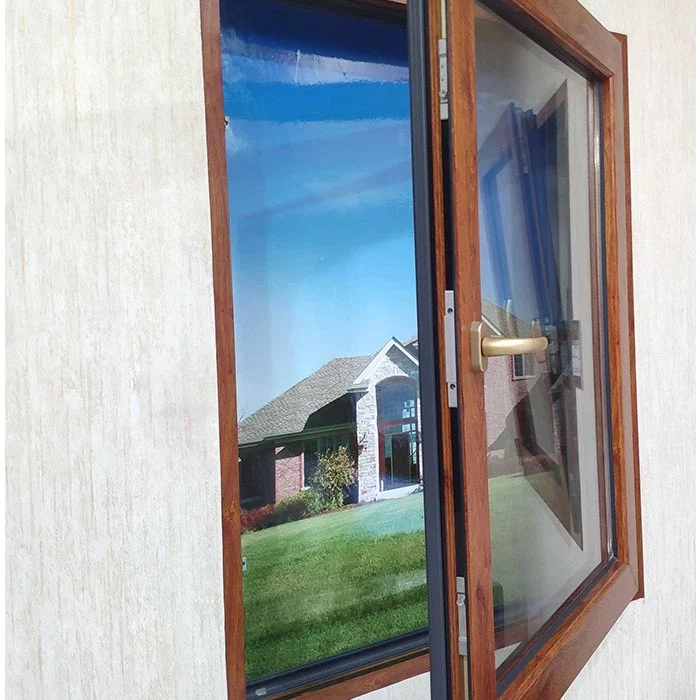
Energy Efficient Aluminum Windows
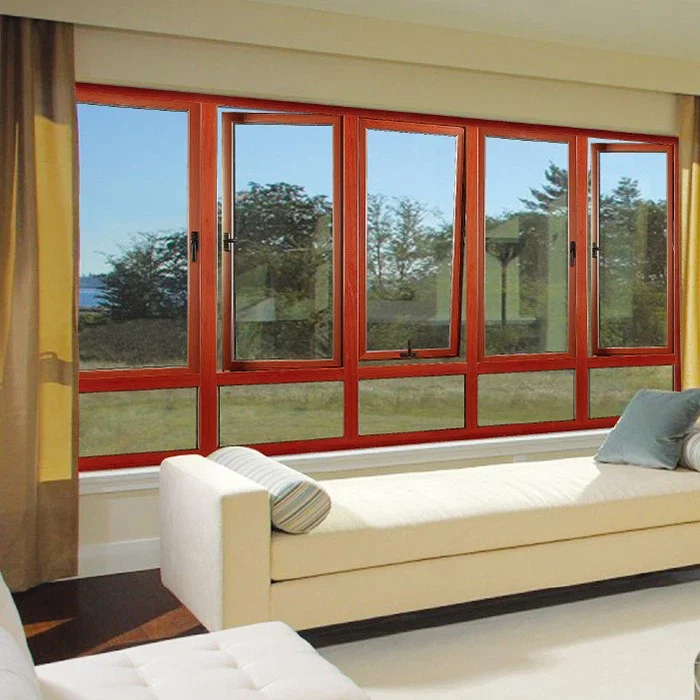
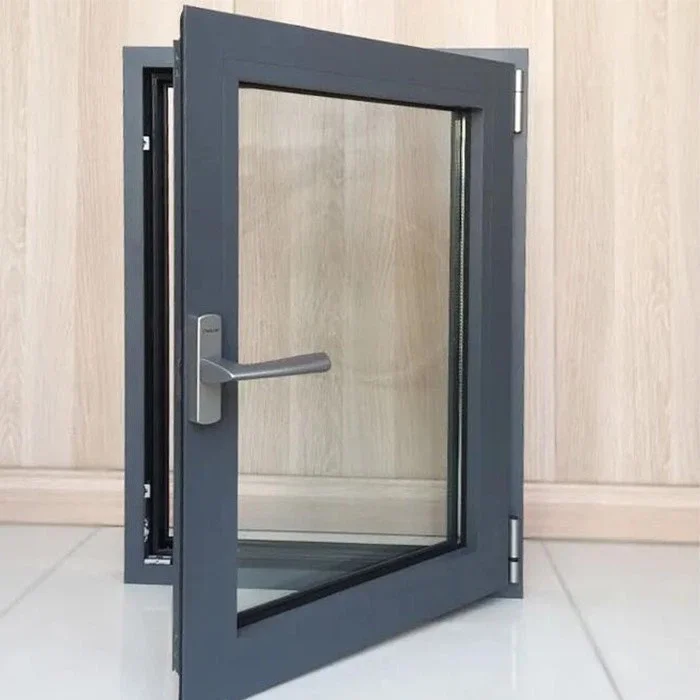
Energy-efficient aluminum windows are specifically designed to minimize heat transfer, improve insulation, and reduce energy consumption in buildings. These windows incorporate various features to enhance their thermal performance. Here are some common features of energy-efficient aluminum windows.
Product Overview
Energy-efficient aluminum windows are specifically designed to minimize heat transfer, improve insulation, and reduce energy consumption in buildings. These windows incorporate various features to enhance their thermal performance. Here are some common features of energy-efficient aluminum windows: Thermal Breaks: Energy-efficient aluminum windows often include a thermal break, which is a non-conductive material placed between the inner and outer parts of the window frame. This break helps to prevent the transfer of heat or cold between the exterior and interior of the window, reducing heat loss or gain. Low-E Coatings: Low-emissivity (Low-E) coatings are thin, transparent layers applied to the glass of the window. These coatings reduce the amount of heat that can pass through the glass while allowing visible light to enter. They reflect heat back into the room during the winter and reflect solar heat away during the summer, improving the window's insulation. Insulating Gases: Energy-efficient aluminum windows may incorporate insulating gases, such as argon or krypton, between the glass panes. These gases have low thermal conductivity and act as additional barriers against heat transfer, improving the window's insulation properties. Multiple Glazing: Double or triple glazing is common in energy-efficient aluminum windows. These windows consist of two or three glass panes with spaces in between, which are filled with insulating gases. The additional layers of glass and gas-filled spaces further enhance insulation and reduce heat transmission. Weatherstripping: Energy-efficient aluminum windows often feature high-quality weatherstripping to create a tight seal between the window sash and frame. This seal helps to prevent drafts, air leakage, and moisture infiltration, improving the window's energy efficiency. U-Factor and Solar Heat Gain Coefficient (SHGC): Energy-efficient windows are labeled with U-factor and SHGC ratings. The U-factor measures the window's insulation performance, with lower values indicating better insulation. The SHGC measures the window's ability to block solar heat, with lower values indicating better heat resistance. Look for windows with lower U-factor and SHGC ratings for improved energy efficiency. By incorporating these features, energy-efficient aluminum windows can significantly reduce energy loss or gain through windows, leading to improved indoor comfort, reduced heating and cooling costs, and lower environmental impact. They are a popular choice for energy-conscious homeowners and businesses looking to improve energy efficiency and sustainability.
Specifications
| Product Name | 65 series energy efficient aluminum windows |
| Profiles | Thermal break aluminium profile |
| Color | Can be customized |
| Glass Type | LOW-E, Reflective, Tempered, Heat-strengthened, Floated |
| Hardware | Domestic (Chung, Weihui); HK (Kinlong); Germany (Roto, Siegenia) |
| Core Features | Anti-age, Waterproof, Sound isolation, Heat insulation, Safety |
Key Features
Engineered Insulation
Integrated high-density thermal break strips prevent thermal bridging across the frame.
Low U-Factor
Optimized for minimal thermal conductivity to ensure superior seasonal comfort.
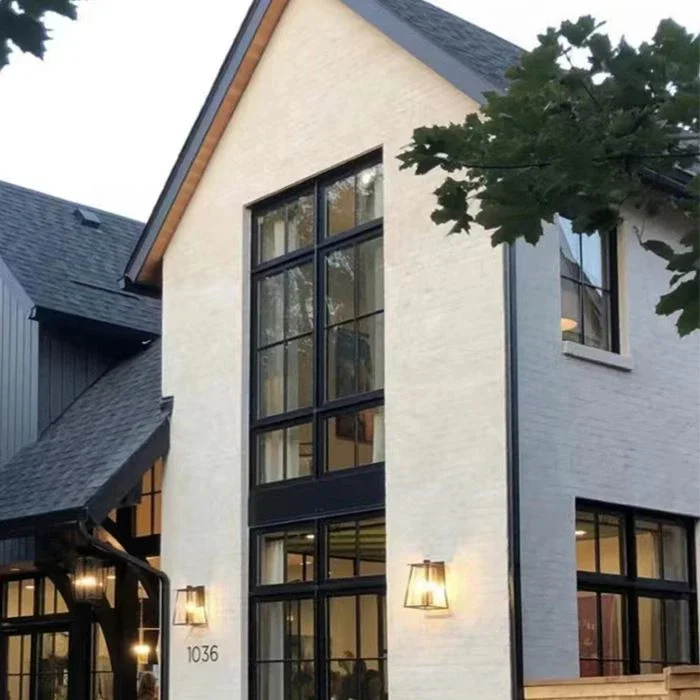
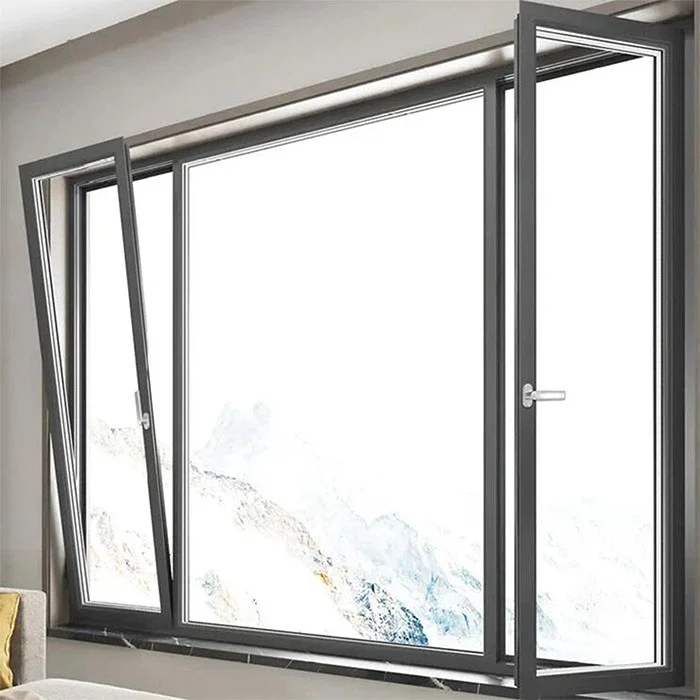
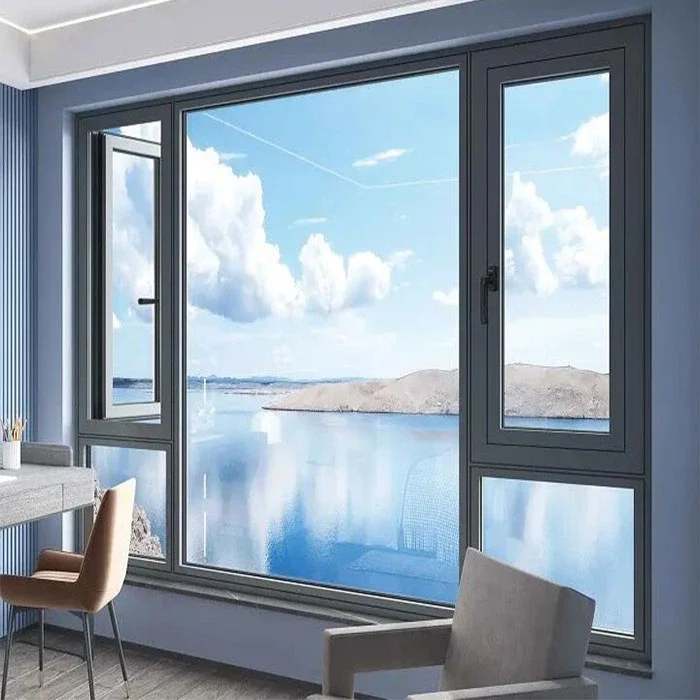
Related Project Cases
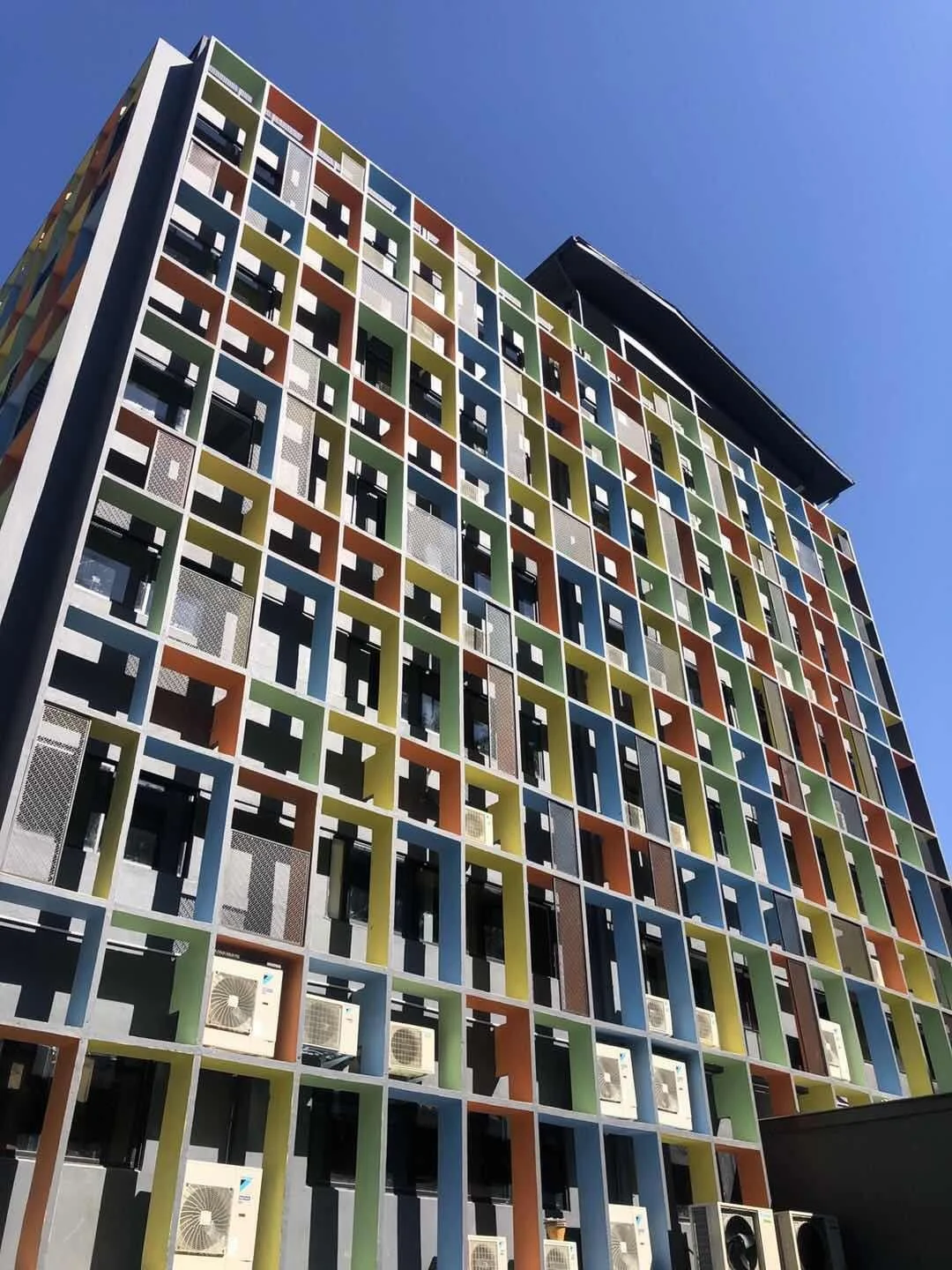
Hotel Project, In Malaysia
Hotel Project, In Malaysia is a hospitality case in Malaysia, supplied with Curtain Wall System, Casement Windows, Aluminum Windows for the main opening package.
Apartment Project, Nigeria
Apartment Project, Nigeria is a residential case in Nigeria, supplied with Curtain Wall System, Awning Windows, Casement Windows for the main opening package.
Related Insights
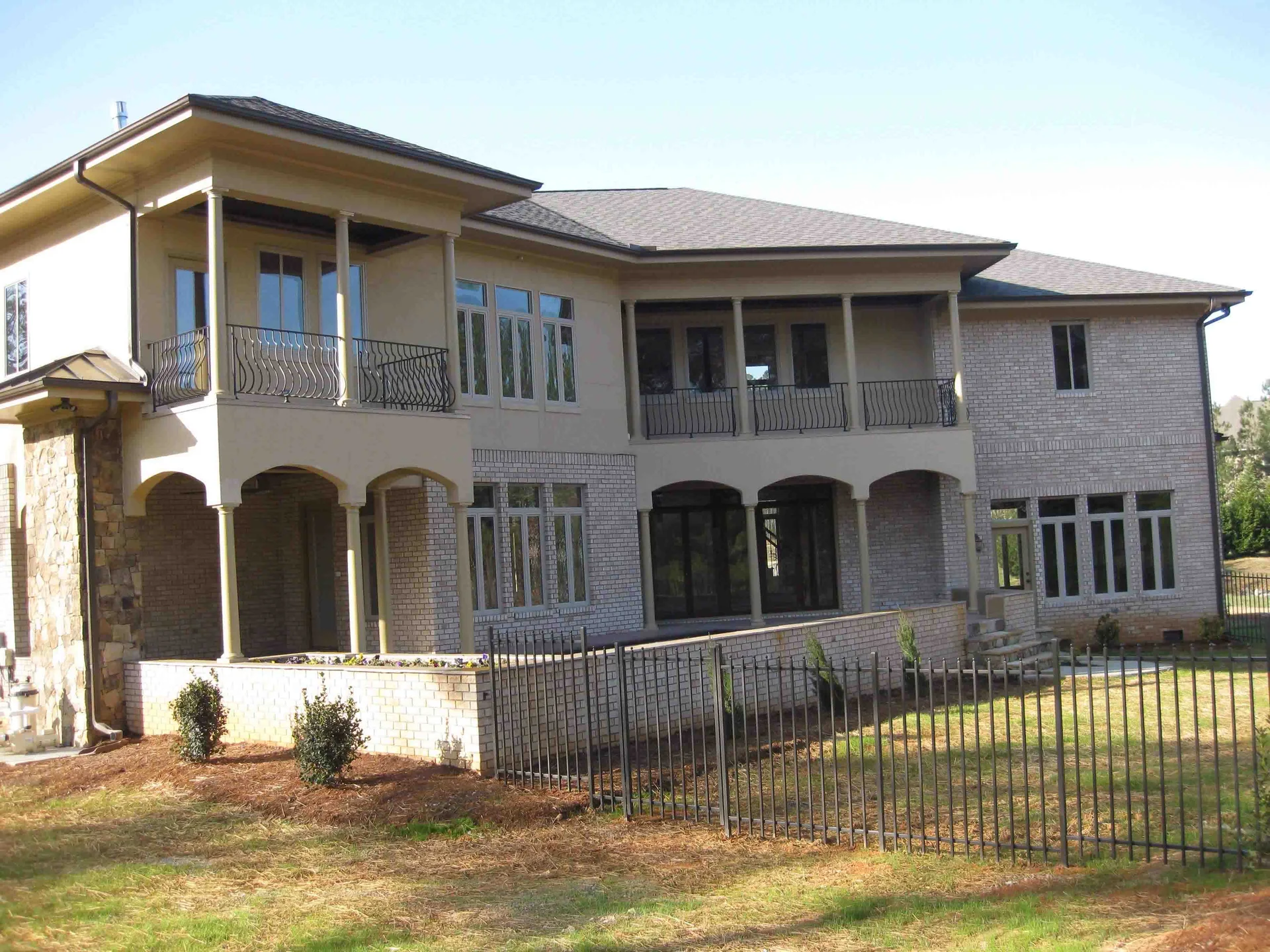
Aluminum vs uPVC Windows for Africa Buyers: Which One Fits the Project?
Comfort, durability, appearance, maintenance, and budget compared for developers, distributors, and contractors choosing between aluminum and uPVC windows.
Why Windows Condensate in Hot, Humid Climates and How to Reduce It
How dew point, weak frame specifications, and installation mistakes can lead to condensation, mildew, and comfort complaints.